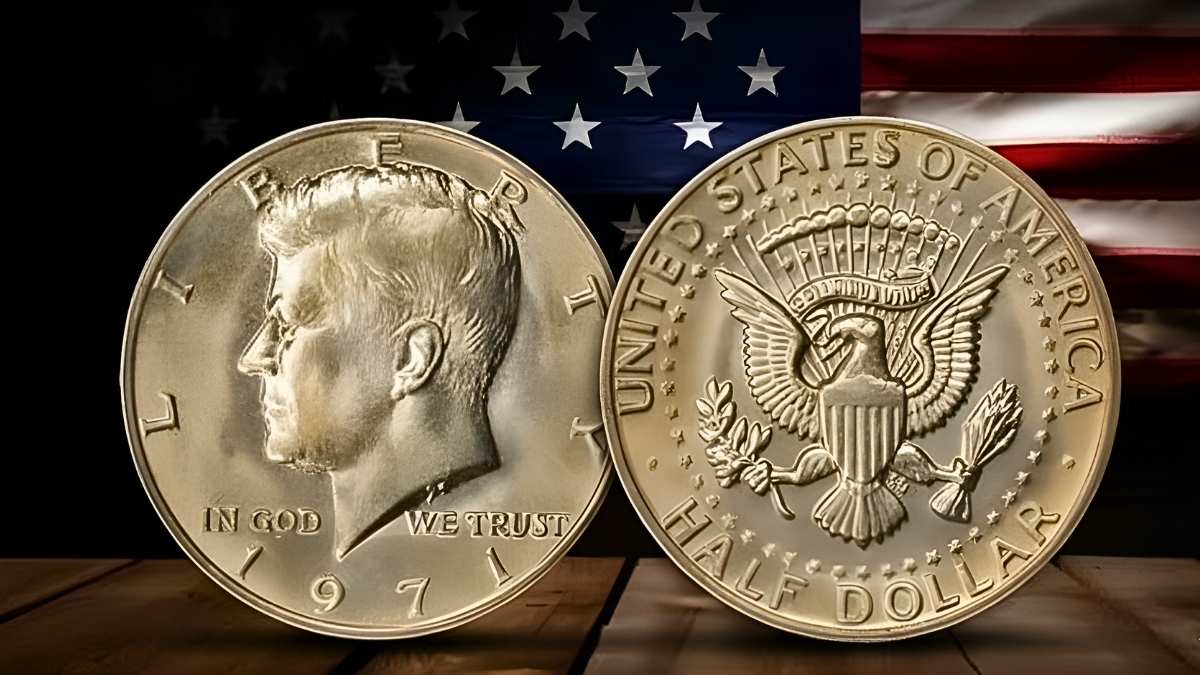
1971 Kennedy Half Dollar Value: The Kennedy Half Dollar, first introduced in 1964, remains one of the most iconic coins in American numismatics. Created to honor President John F. Kennedy following his assassination, the coin quickly became a symbol of national pride and remembrance. While earlier issues contained silver, the 1971 Kennedy Half Dollar marked a turning point in the series. Despite being composed of copper-nickel clad rather than silver, it continues to attract collectors who value its historical significance, design, and the role it played in the evolution of U.S. coinage.
Historical Context of the 1971 Kennedy Half Dollar
The year 1971 was significant for the Kennedy Half Dollar because it was the first year the coin was struck without any silver content for general circulation. Prior to this, coins minted between 1965 and 1970 contained 40 percent silver. Rising silver prices and economic changes led the U.S. Mint to switch to a copper-nickel clad composition. This change reflected broader shifts in American coinage, as silver was phased out of circulating coins. The 1971 Kennedy Half Dollar thus represents the beginning of a new era, making it historically important even if its intrinsic metal value is lower than earlier issues.
Design Features That Collectors Admire
The obverse of the 1971 Kennedy Half Dollar features Gilroy Roberts’ portrait of President Kennedy, a design that has remained largely unchanged since 1964. The reverse, designed by Frank Gasparro, depicts the presidential seal with an eagle holding arrows and an olive branch. Collectors admire the artistry and symbolism of these designs, which capture both the dignity of Kennedy’s legacy and the strength of the nation. Even though the coin was mass-produced, well-preserved examples showcase fine details that appeal to numismatists.
Circulation Strikes Versus Proof Issues
The 1971 Kennedy Half Dollar was struck at both the Philadelphia and Denver Mints for circulation, while the San Francisco Mint produced proof versions. Circulation strikes are common, but proof coins, especially those with deep cameo contrasts, are highly prized by collectors. Proof coins were struck on specially prepared planchets with polished dies, resulting in sharp details and mirror-like fields. These coins were sold directly to collectors and never intended for circulation, making them more valuable today.
Mint Marks and Varieties
Mint marks play an important role in identifying the origin of a 1971 Kennedy Half Dollar. Coins struck in Philadelphia carry no mint mark, those from Denver bear a “D,” and proof coins from San Francisco carry an “S.” While most 1971 Kennedy Half Dollars are common, certain varieties and errors can command significant premiums. Examples include doubled die obverses, off-center strikes, and coins struck on silver planchets by mistake. These rare varieties are highly sought after and can be worth hundreds or even thousands of dollars depending on condition.
The Importance of Coin Grading
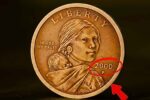
Professional grading is essential for determining the value of a 1971 Kennedy Half Dollar. Coins graded as Mint State (MS) or Proof (PR) can command prices exponentially higher than those in lower grades. Grading services evaluate factors such as luster, strike quality, and the presence of marks or scratches. A coin graded MS-65 or higher is considered gem quality and can be worth far more than its face value. Proof coins with deep cameo designations are especially valuable, as they display strong contrasts between frosted devices and mirrored fields.
Market Influences on Value
The value of the 1971 Kennedy Half Dollar is influenced by several factors. While its copper-nickel composition means it lacks intrinsic silver value, collector demand drives its market price. Online marketplaces and coin shows have made rare varieties more accessible, increasing competition and pushing values upward. Economic conditions, including fluctuations in precious metal markets, also affect coin values indirectly by shaping collector interest. Renewed enthusiasm for coin collecting among younger generations has further expanded demand, ensuring that Kennedy Half Dollars remain relevant in today’s numismatic market.
Everyday Treasure Hunting
One of the most exciting aspects of the 1971 Kennedy Half Dollar is the possibility of finding valuable examples in everyday settings. Stories abound of people discovering rare varieties in inherited collections, old coin jars, or even in circulation. This sense of possibility transforms ordinary transactions into treasure hunts. While most 1971 Kennedy Half Dollars are common, the chance of uncovering a rare error or high-grade specimen keeps collectors searching.
The Cultural Value of Collecting Kennedy Half Dollars
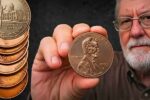
Beyond monetary worth, the 1971 Kennedy Half Dollar offers a deeper connection to history and culture. Each coin tells a story about the era in which it was minted, reflecting economic conditions, artistic trends, and national priorities. Collecting Kennedy Half Dollars fosters appreciation for craftsmanship and historical context, making it both a rewarding hobby and an educational pursuit. For many, the true value of a coin lies not only in its financial worth but also in the history it represents.
Subsidio Adultos Mayores 2026: Eligibility Requirements
Turning to another subject of great importance, the Subsidio Adultos Mayores program for 2026 represents a vital support system for older adults. This subsidy is designed to provide financial assistance to seniors who meet specific eligibility criteria. Requirements typically include reaching a certain age threshold, maintaining residency status, and meeting income levels that demonstrate financial need. The program ensures that vulnerable populations receive the support they need to maintain dignity and security in their later years.
Official Payment Calendar for 2026
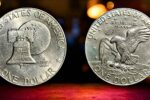
The payment calendar for the Subsidio Adultos Mayores in 2026 is structured to provide regular, predictable financial support. Payments are scheduled throughout the year, allowing beneficiaries to plan their expenses with confidence. The calendar is published in advance, ensuring transparency and accessibility. Seniors and their families can rely on these payments as a stable source of income, helping to cover essential needs such as food, healthcare, and housing.
The Importance of Financial Support for Seniors
Financial assistance programs like the Subsidio Adultos Mayores play a crucial role in promoting social equity. As populations age, ensuring that seniors have access to resources becomes increasingly important. These subsidies help reduce poverty among older adults, improve quality of life, and foster independence. By providing consistent support, governments demonstrate a commitment to protecting the well-being of their citizens across all stages of life.
Linking Rare Coins and Social Programs
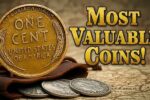
At first glance, rare coins and senior subsidies may seem unrelated. Yet they share a common theme: the value of overlooked resources. Just as a 1971 Kennedy Half Dollar can hold hidden worth, so too can social programs provide essential support that might otherwise be underestimated. Both remind us to pay attention to the details, whether in our pockets or in public policy, because small things can make a significant difference.
Conclusion: Value Found in Unexpected Places
From the thrill of discovering 1971 Kennedy Half Dollars worth far more than their face value to the reassurance of a structured subsidy program for seniors, value often emerges where we least expect it. Coins and subsidies alike highlight the importance of awareness, attention, and appreciation. Whether searching through change or reviewing eligibility requirements, the lesson is clear: treasures, both financial and social, are all around us. Recognizing and respecting them enriches our lives and strengthens our communities.